Saudi Arabia · Riyadh · Jeddah · Eastern Province · NEOMProject enquiries · Secure request form
Saudi Arabia

Leak Detection

Targeted non-destructive investigation for pressurised water, fire and buried pipeline leakage.

What this service does

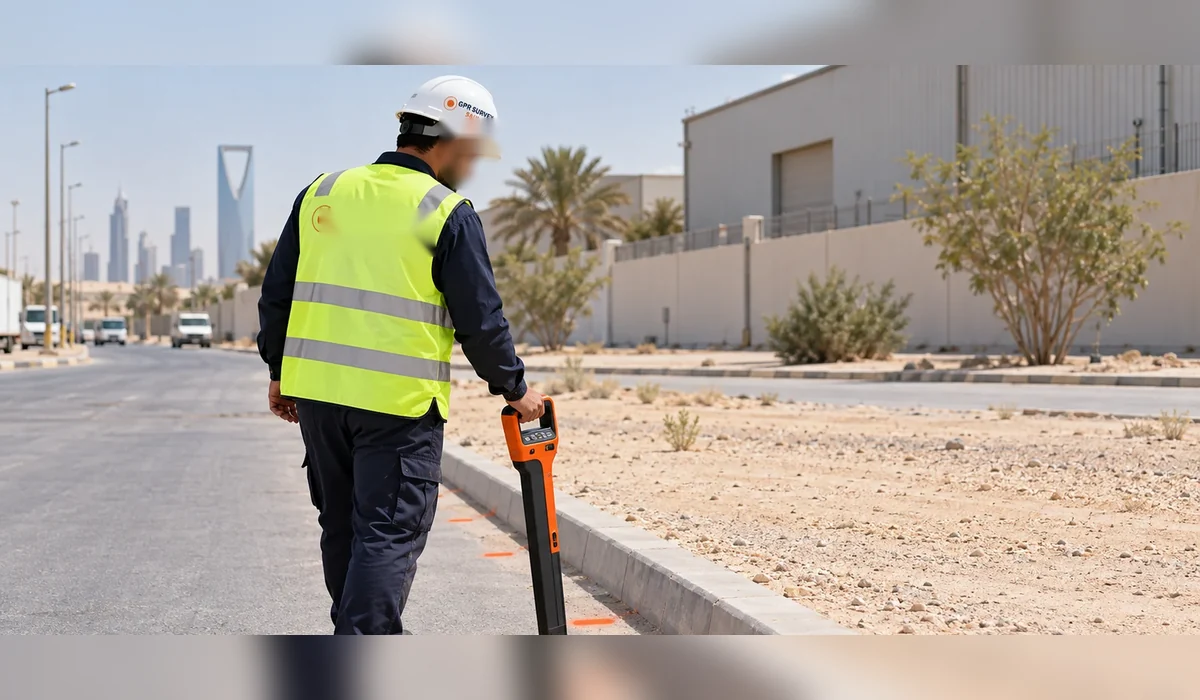
Leak investigations use non-destructive methods such as acoustic techniques, correlation and thermal observations where appropriate to reduce unnecessary excavation.

Common applications

  • Buried water lines
  • Fire networks
  • Pressurised pipelines
  • Targeted excavation planning
  • Leak route investigation

Methodology

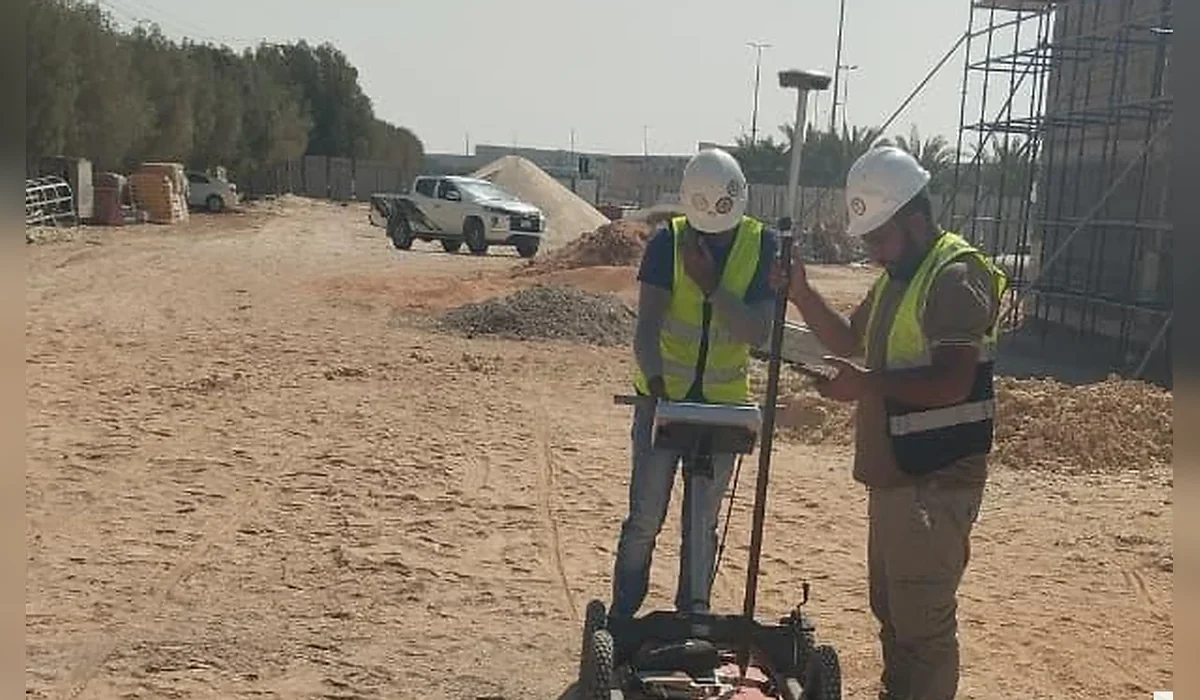
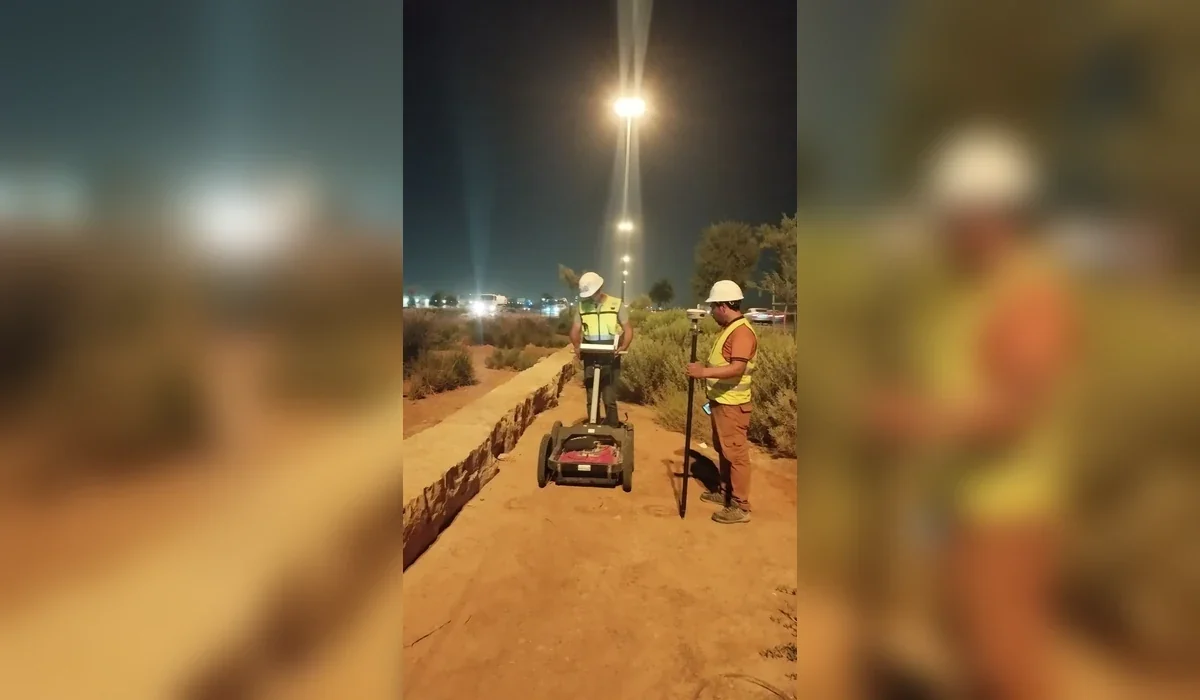
We start by reviewing drawings, target depth, planned intrusive works and access constraints. Field collection is then completed using a survey pattern appropriate to the site, with complementary locating methods used where they improve confidence. Findings are interpreted, positioned and issued in clear engineering deliverables.

Limitations and quality control

No single technique fits every pipe material or site condition. Method selection follows pipe type, access, pressure status, ground surface and background noise.

Typical deliverables

  • Marked-up plans and/or CAD drawings
  • Depth annotations where technically supportable
  • Survey coverage and methodology record
  • Engineering report with findings and limitations
  • GIS-compatible outputs when required
Service FAQ

Questions about Leak Detection

Can GPR directly confirm a water leak?

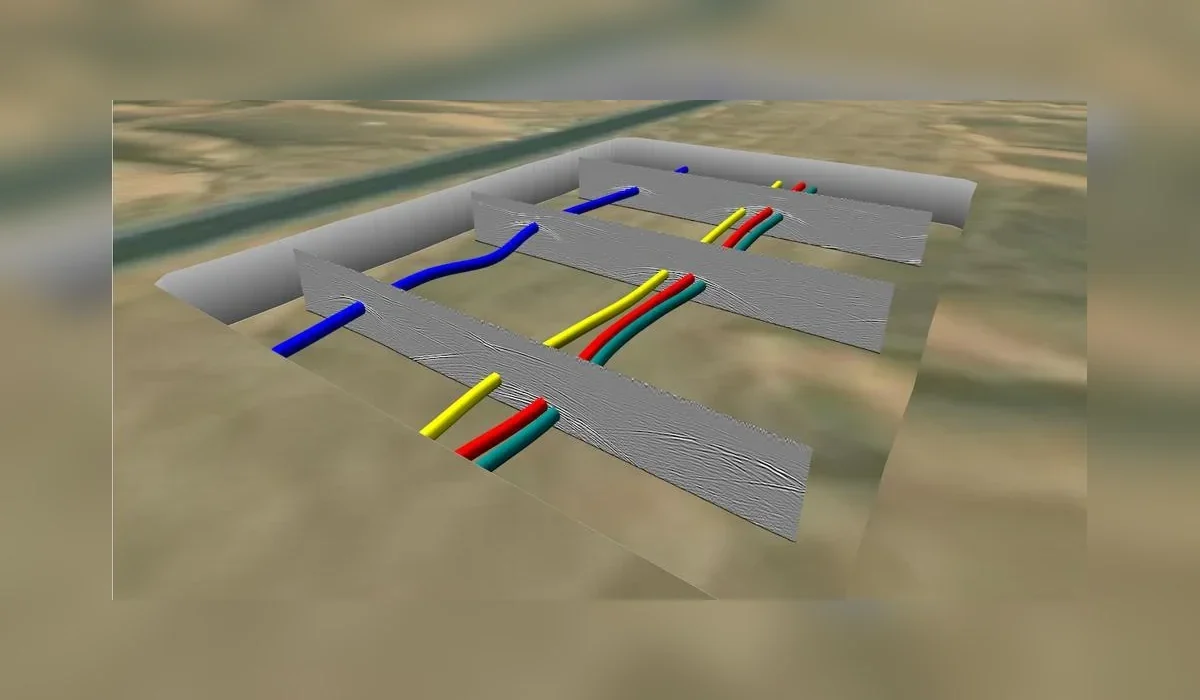
GPR may show ground disturbance or moisture-related contrast in suitable conditions, but leak detection should use the method appropriate to the pipe material, pressure, access and site conditions. GPR is one possible supporting tool, not a universal leak detector.

What deliverables can be provided?

Depending on scope, deliverables can include field markings, CAD drawings, GIS-compatible data, X/Y/Z utility schedules, interpreted radar information, survey coverage plans and technical reports describing findings and limitations.

Does a utility survey guarantee that nothing is buried?

No non-intrusive survey can guarantee detection of every buried object. Detection is affected by access, depth, target properties, interference and ground conditions. Reports should therefore state limitations and recommend verification where consequences are high.

Plan before you excavate

Need subsurface information for a project?

Send the site location, survey area or route length, target depth and available drawings through the project request form.